iasiscare
Can’t Find a Primary Care Doctor Accepting New Patients? Here’s What to Do

Can’t Find a Primary Care Doctor Accepting New Patients? Here’s What to Do
If you cannot find a primary care doctor accepting new patients, do not stop after checking one online directory.
Start by contacting practices directly, asking when the earliest new-patient appointment is available, checking whether an internal medicine physician may be appropriate if you are an adult, asking about cancellations, confirming whether telehealth is available, and comparing more than just insurance participation.
Most importantly, distinguish between these two questions:
“Is the doctor accepting new patients?”
and
“How soon can a new patient actually be seen?”
A physician may technically be accepting patients while the first available appointment is still weeks or months away.
If you are an adult in the southwest Chicago suburbs looking for a physician now, IASIS Boutique Health offers adult primary care in Orland Park through a limited-panel membership model with longer visits and same-day or next-day member availability when possible.
But before choosing any physician, it helps to understand exactly what to look for.
Why Is It So Hard to Find a Primary Care Doctor Accepting New Patients?
You search “primary care doctor accepting new patients,” open several websites, make a few calls, and hear some version of:
“That doctor isn't accepting new patients right now.”
Or:
“The first new-patient appointment is three months from now.”
Or:
“That physician isn't available, but another provider may be.”
It can be frustrating, especially if you have recently moved, changed insurance, lost your previous physician, have not seen a doctor in years, or suddenly realized you need someone to manage an ongoing health concern.
The problem becomes even more stressful when you are not simply looking for a yearly physical.
Maybe you need someone to help with:
High blood pressure
High cholesterol
Prediabetes or diabetes
Medication management
Fatigue or unexplained symptoms
Abnormal laboratory results
Preventive screenings
Ongoing chronic conditions
Follow-up after urgent care or an emergency room visit
A health issue you have been putting off
Finding any available appointment may feel like the goal.
But finding the right primary care relationship matters too.
Here is how to approach the search more strategically.
1. Call the Doctor’s Office Instead of Relying Only on Online Directories
Online directories are useful starting points, but availability changes.
A physician may appear online as accepting new patients even though appointment availability has changed. The opposite can happen too.
Call the practice directly and ask:
Is this physician personally accepting new patients?
What is the earliest available new-patient appointment?
Is there a cancellation list?
Does the physician see adult primary care patients?
Are there other physicians in the practice accepting patients sooner?
Is telehealth available for appropriate visits?
How quickly can established patients usually be seen when they become sick?
Will I usually see the same physician?
That last question is important.
A medical group may be accepting new patients, but that does not necessarily mean the specific physician you selected has openings.
Ask About the Earliest Appointment — Not Just Whether They Are Accepting Patients
This simple question can save a lot of frustration:
“If I become a new patient today, when is the earliest appointment I could actually schedule?”
That gives you more useful information than a simple yes or no.
UC Davis Health's recent guidance on choosing a primary care doctor similarly recommends confirming whether the physician is accepting patients, asking when a new-patient visit can be scheduled, and asking about cancellation openings.
2. Search for an Internal Medicine Doctor If You Are an Adult
A common mistake is searching only for the phrase “primary care physician.”
If you are an adult, also search for:
Internal medicine doctor
Internist
Adult primary care doctor
Internal medicine physician accepting new patients
Primary care describes the role a doctor plays in your healthcare.
Internal medicine is a medical specialty focused on adult health.
Many internal medicine physicians serve as primary care doctors for adults and help manage:
Preventive care
Annual physicals
Blood pressure
Cholesterol
Diabetes and prediabetes
Medications
Laboratory results
Chronic medical conditions
Specialist referrals
New symptoms
Ongoing health planning
If you are unsure about the difference, read our complete guide to primary care vs. internal medicine.
Broadening your search from only “primary care doctor” to include internal medicine physicians may give you additional options.
3. Check Your Insurance Network — But Don’t Stop There
If you plan to use insurance for your primary care visits, your insurance company's provider directory is a logical starting point.
Search your plan for:
Primary care
Internal medicine
Family medicine
Physicians near your ZIP code
Then verify the information directly with both the medical office and your insurance company before scheduling.
Provider directories can change, and participation can vary by specific insurance plan.
Ask:
Does this physician participate with my exact plan?
Is this doctor considered in network?
Do I need to select a PCP through my insurer?
Is a referral required for specialists?
What will my copay or deductible responsibility be?
Do not assume that seeing an insurance company's name on a doctor's website automatically means your specific plan is accepted.
Also remember that insurance-based primary care is not the only model available.
Some patients choose membership-based or concierge primary care while keeping their health insurance for specialists, hospital care, imaging, prescriptions, emergencies, and other services outside the membership.
We explain that distinction further in our guide to concierge medicine and traditional primary care.
4. Ask to Be Added to the Cancellation List
If you find a doctor you really want but the first appointment is several weeks away, ask:
“Can you put me on your cancellation list?”
Schedules change.
Patients cancel or reschedule appointments, and earlier openings sometimes become available.
You can also ask whether:
New-patient visits are released on certain days
Another physician in the practice has earlier availability
Telehealth is appropriate for the first concern
You can complete paperwork ahead of time
The practice has a separate schedule for more urgent concerns
A cancellation list does not guarantee an earlier appointment, but it is worth asking.
If you already have a primary care doctor and your problem is that they are booked for weeks, that is a different situation. Read our guide to what to do when your primary care doctor is booked for weeks.
5. Look Beyond “Who Can See Me First?”
Availability matters.
But the first doctor with an opening is not automatically the best long-term choice.
Primary care is different from a one-time urgent care visit.
Ideally, this is the physician who will eventually know:
Your health history
Family history
Medications
Previous laboratory results
Allergies
Chronic medical conditions
Specialist care
Preventive screening history
Health risks
Changes over time
Before choosing a new primary care physician, look at the entire care experience.
Questions Worth Asking Before You Choose
Consider asking:
Is the doctor board certified?
Does the physician focus on adults, children, or both?
Will I usually see the same doctor?
How long are typical visits?
How quickly can established patients get appointments?
Are same-day or next-day visits available?
Is telehealth available?
How are laboratory results reviewed?
How are prescription questions handled?
How does the office manage chronic conditions?
How are referrals coordinated?
Can I contact the physician directly?
What happens if I have a question after the visit?
You can save our larger checklist of questions to ask your primary care doctor before your first visit.
6. Understand the Difference Between Primary Care, Urgent Care, and the Emergency Room
When you cannot find a doctor, it is tempting to start using urgent care for everything.
Urgent care can be extremely useful.
But it is not a complete replacement for ongoing primary care.
Primary Care
Primary care is designed for ongoing health management, including:
Preventive care
Routine physicals
Medication management
Chronic condition monitoring
Blood pressure
Cholesterol
Diabetes risk
Lab review
New non-emergency symptoms
Referrals
Follow-up
Long-term health planning
Urgent Care
Urgent care is generally designed for more immediate, non-life-threatening medical needs that cannot wait for a routine appointment.
Emergency Care
Emergency departments are for potentially serious or life-threatening conditions.
Symptoms such as severe chest pain, significant trouble breathing, symptoms of stroke, loss of consciousness, severe bleeding, or other potentially life-threatening problems should be evaluated urgently through emergency services rather than waiting to establish primary care.
If you are unsure where a non-emergency concern belongs, read our comparison of same-day primary care vs. urgent care.
The goal should be to use the right level of care for the situation while establishing a physician relationship for everything that requires continuity.
7. Consider Whether a Different Primary Care Model Fits What You Actually Want
At some point during the search, it is worth asking yourself:
What am I actually looking for in a primary care doctor?
Maybe your frustration is not only that practices are full.
Maybe you also want:
Easier appointment access
More time with the physician
The same doctor consistently
Better follow-up
Direct communication
Help understanding laboratory results
Preventive care
Chronic condition management
Fewer rushed visits
Someone who knows your history
If those things matter to you, it may be worth learning about alternatives to high-volume traditional primary care.
One option is membership-based concierge primary care.
What Is Concierge Primary Care?
Concierge medicine is a primary care model in which patients pay a membership fee for an enhanced level of physician access and services defined by that particular practice.
The exact model varies from practice to practice.
Some concierge physicians participate with insurance.
Others operate differently.
Some include laboratory testing or other services.
Others do not.
This is why patients should always understand exactly what is included before joining any membership practice.
At IASIS Boutique Health, the model is built around a smaller patient panel so that Dr. Georgios Karanastasis can provide more direct, ongoing adult medical care.
Patients who have never heard the phrase “concierge medicine” may recognize the problem it is trying to solve:
They want a primary care doctor who has time for them and is easier to reach.
You can learn more about adult primary care at IASIS Boutique Health.
Family Medicine vs. Internal Medicine: Which Doctor Should an Adult Choose?
Both family medicine physicians and internal medicine physicians can provide primary care.
The key distinction is generally their training focus.
Family Medicine
Family physicians typically care for people across multiple stages of life and may treat children as well as adults.
Internal Medicine
Internal medicine physicians specialize in adult medicine.
An internist serving as a primary care physician may be particularly appealing to adults who want ongoing help managing:
Preventive health
Multiple medications
High blood pressure
Cholesterol
Diabetes
Metabolic concerns
Thyroid conditions
Cardiovascular risk
Other adult medical problems
Neither specialty is automatically “better.”
The better fit depends on your age, health needs, preferences, and the individual physician.
Dr. Georgios Karanastasis is a board-certified internal medicine physician providing internal medicine in Orland Park through IASIS Boutique Health.
How Do You Know if a Primary Care Doctor Is a Good Fit?
Credentials and availability matter, but so does the relationship.
After your first few visits, ask yourself:
Do I feel heard?
You should feel comfortable explaining symptoms, asking questions, and mentioning concerns without feeling that you need to rush through everything.
Do I understand the plan?
You should leave knowing:
What your doctor thinks
What testing is being ordered
Why a medication was prescribed
What you should monitor
When you should follow up
What symptoms should make you call sooner
Does the doctor understand my history?
Continuity becomes more valuable over time.
The better your physician understands your medical history, medications, previous testing, family history, and risks, the more context they have when something changes.
Can I actually access the practice when I need it?
A wonderful physician who is nearly impossible to see may still leave you relying heavily on urgent care.
Ask how established-patient access works before you commit to the practice.
Am I comfortable asking questions?
Your physician relationship should make it easier—not harder—to understand your health.
If you often leave medical visits wishing you had asked more, use our list of questions to ask at your next primary care appointment.
What Should You Bring to Your First Appointment With a New Primary Care Doctor?
Once you finally find a physician accepting new patients, prepare for the visit.
Bring or prepare:
Your current medication list
Medication doses
Vitamins and supplements
Known allergies
Previous diagnoses
Relevant surgical history
Important hospitalizations
Recent laboratory results
Recent imaging
Specialist information
Family medical history
Vaccination information when available
Home blood pressure readings if relevant
Home glucose readings if relevant
A list of your biggest questions
Your insurance information when applicable
You do not need to remember every medical detail perfectly.
The point is to give your new physician enough information to begin understanding your health history.
If your records are stored with another physician, ask the new office how they prefer medical-record transfers to be handled.
What Should Happen at Your First Primary Care Visit?
Every visit is different, but establishing care usually involves more than addressing one symptom.
Your physician may review:
Medical history
Family history
Medications
Allergies
Current symptoms
Blood pressure
Weight and other vital signs
Previous laboratory testing
Screening history
Preventive needs
Chronic conditions
Specialist care
Lifestyle factors
Health goals
Depending on your health and the reason for the appointment, your physician may recommend laboratory testing or additional follow-up.
A new-patient visit is also your opportunity to evaluate the physician.
The relationship works both ways.
Ask questions.
Pay attention to whether things are explained clearly.
Make sure you understand what happens next.
Should You Choose a Doctor Just Because They Have Great Reviews?
Online reviews can be helpful, but they should be one part of your decision—not the entire decision.
Reviews may give you clues about:
Communication
Office experience
Scheduling
Staff
Wait times
Whether patients feel rushed
Whether explanations are clear
But reviews cannot tell you everything about clinical quality or whether a physician is right for your specific health needs.
Look at a combination of:
Credentials
Specialty
Board certification
Experience
Availability
Care model
Location
Communication
Your first-hand experience
Then decide whether the relationship feels right.
Should You Find a Primary Care Doctor Before You Actually Need One?
Ideally, yes.
Searching for a physician is much easier when you are not sick, worried, or trying to solve an urgent medical problem at the same time.
Having an established primary care doctor means you already have somewhere to turn when you need:
A physical
Medication review
Lab work
A new symptom evaluated
Blood pressure follow-up
Cholesterol management
Diabetes screening
Preventive guidance
A specialist referral
Follow-up after urgent care or the ER
Primary care is not only for when something goes wrong.
It is also the foundation for prevention.
If you are establishing a new physician relationship, our guide to what should happen during an annual physical can help you understand what comprehensive preventive care may include.
What If You Haven’t Seen a Doctor in Years?
Do not let embarrassment keep you from scheduling an appointment.
People fall out of primary care for many reasons:
Moving
Insurance changes
Work
Family responsibilities
Cost
Difficulty finding appointments
Feeling healthy
Previous negative healthcare experiences
Simply putting it off
The useful question is not:
“Why didn't I do this sooner?”
It is:
“What should I take care of now?”
Tell the physician how long it has been since your last routine care.
Your doctor can then review what may need updating based on your:
Age
Medical history
Family history
Medications
Symptoms
Previous screening
Risk factors
You do not need to arrive with everything already figured out.
That is part of what primary care is for.
What If You Need a Doctor Because You Have a Chronic Condition?
Finding consistent primary care becomes even more important when you are managing an ongoing condition.
That may include:
High blood pressure
Diabetes
Prediabetes
High cholesterol
Thyroid disease
Cardiovascular risk factors
Multiple medications
Other long-term health concerns
When evaluating a new physician, ask:
How often will I need follow-up?
How are medication changes monitored?
How are labs reviewed?
What happens if my numbers change?
When would I need a specialist?
Can I contact the office between appointments?
Will I see the same physician consistently?
Chronic conditions are not managed well by a single yearly conversation.
They often require monitoring, adjustments, and follow-through.
Patients who need ongoing adult medical management can also learn about internal medicine at IASIS Boutique Health.
How Long Should You Wait for a New Primary Care Appointment?
There is no single wait time that is appropriate for every situation.
If you are healthy and simply establishing care, waiting for the physician you prefer may be reasonable.
If you have a medical concern that needs attention sooner, tell the office exactly why you are calling.
Do not simply say:
“I need a checkup.”
Explain if you have:
New symptoms
Medication concerns
Abnormal results
Blood pressure issues
Blood sugar concerns
Recent urgent care or ER follow-up
A chronic condition that needs management
The office can then help determine whether there are earlier options or whether another level of care may be more appropriate.
For severe, sudden, or potentially life-threatening symptoms, do not wait for a routine primary care appointment.
Primary Care Doctor Search Checklist
Before choosing a new physician, compare these factors:
| What to Check | What to Ask |
|---|---|
| Accepting new patients | Is this specific physician accepting new patients right now? |
| Appointment availability | When is the earliest new-patient appointment? |
| Specialty | Is the doctor family medicine or internal medicine? |
| Insurance | Does the physician participate with my exact plan? |
| Continuity | Will I usually see the same physician? |
| Same-day care | What happens if I become sick and need to be seen quickly? |
| Visit experience | How much time is typically available for appointments? |
| Communication | How do I ask questions after a visit? |
| Telehealth | Are virtual appointments available when appropriate? |
| Labs | How are results reviewed and explained? |
| Chronic care | How are ongoing conditions followed? |
| Preventive care | How are annual screenings and health risks reviewed? |
| Referrals | How does the practice coordinate specialist care? |
Do not feel pressured to choose based only on who has the earliest appointment.
You are choosing someone who may become one of the most important long-term relationships in your healthcare.
Looking for a Primary Care Doctor Accepting New Patients in Orland Park?
If you live in Orland Park, Tinley Park, Palos Heights, Mokena, Frankfort, Homer Glen, or another nearby southwest Chicago suburb and are struggling to find the type of primary care relationship you want, IASIS Boutique Health offers another option.
Dr. Georgios Karanastasis is a board-certified internal medicine physician and founder of IASIS Boutique Health in Orland Park.
The practice provides membership-based adult primary care built around a limited patient panel.
Rather than designing the practice around a very high volume of brief appointments, the IASIS model emphasizes:
Longer physician visits
Direct communication
Same-day or next-day member availability when possible
Annual comprehensive laboratory testing
Unlimited included office visits
Telehealth when clinically appropriate
EKG testing
Included point-of-care testing
Preventive health planning
Chronic condition management
Ongoing care from the same physician
IASIS is currently accepting new adult primary care members in Orland Park.
The individual membership is currently $2,500 annually, with monthly, quarterly, semiannual, or annual payment arrangements available.
You can review the complete IASIS membership plans and pricing before deciding whether the model makes sense for you.
The membership does not replace health insurance. Most patients maintain insurance or Medicare for care outside the services included in their IASIS membership, such as hospitalizations, specialists, outside imaging, prescriptions, emergencies, and other services.
What If You Don’t Know Whether Concierge Primary Care Is Right for You?
You do not need to understand concierge medicine before contacting IASIS.
Start with what you want from your physician relationship.
Do you want:
A primary care doctor who knows you?
More time to discuss your health?
Better appointment availability?
More direct communication?
Someone to review your labs with you?
Ongoing preventive care?
Consistency with the same physician?
Help managing chronic conditions?
A clear plan after the appointment?
If those priorities sound familiar, it may be worth learning about the model.
You can start by exploring adult primary care in Orland Park or learning more about Dr. Georgios Karanastasis.
Frequently Asked Questions
How do I find a primary care doctor accepting new patients?
Start with your insurance directory if you use insurance-based primary care, but confirm availability directly with the practice. Ask whether the specific physician is accepting patients, when the earliest new-patient appointment is available, whether there is a cancellation list, and whether internal medicine or family medicine doctors may provide the type of care you need.
Why are so many primary care doctors not accepting new patients?
Availability varies by physician and practice. A doctor's patient panel or schedule may already be full, or the office may limit the number of new patients it adds at one time. Rather than assuming no options exist, contact practices directly and ask about current availability.
What does “accepting new patients” actually mean?
It generally means a physician or practice is willing to establish care with new patients. It does not necessarily mean an immediate appointment is available. Always ask when the earliest new-patient visit can actually be scheduled.
How can I get a new primary care appointment sooner?
Ask about cancellations, new-patient waitlists, other physicians in the practice, telehealth when appropriate, and whether certain appointment slots are held for new patients. Clearly explain if you have a medical concern that requires more timely evaluation.
Should I search for an internal medicine doctor or primary care doctor?
If you are an adult, both searches may be useful. Many internal medicine physicians provide adult primary care. Family medicine physicians can also provide primary care. Read our guide to primary care vs. internal medicine for a more detailed comparison.
What kind of doctor should adults use for primary care?
Adults commonly receive primary care from either an internal medicine physician or a family medicine physician. The right choice depends on the individual's needs, the physician's practice, availability, and personal preference.
Should I choose the first doctor who has an appointment?
Not necessarily. Availability matters, but you should also consider credentials, specialty, communication, continuity, appointment access, location, insurance when applicable, and whether the physician's care model fits your needs.
What questions should I ask a new primary care doctor?
Ask about appointment availability, same-day care, how laboratory results are reviewed, how medication questions are handled, whether you will consistently see the same physician, telehealth availability, preventive care, chronic condition management, and after-visit communication. See our complete guide to questions to ask your primary care doctor.
Can urgent care replace a primary care doctor?
Urgent care can help with many immediate, non-life-threatening problems, but it does not provide the same long-term continuity as an established primary care relationship. Primary care is designed to connect preventive care, medications, chronic conditions, previous test results, referrals, and changes in your health over time.
What if my current doctor is not accepting appointments for weeks?
If you already have a physician but cannot get an appointment, ask about cancellations, same-day openings, telehealth, triage, or another provider in the practice. We cover this situation separately in what to do when your primary care doctor is booked for weeks.
Is IASIS Boutique Health accepting new patients?
IASIS Boutique Health is currently accepting new adult primary care members at its Orland Park practice. Availability can change, so prospective patients should contact the office to confirm current membership and appointment availability.
The Bottom Line
If you have been searching for a primary care doctor accepting new patients, do not focus only on finding the first open appointment.
Look for a physician who can become a reliable part of your long-term healthcare.
Call practices directly.
Ask when the earliest appointment is actually available.
Consider both family medicine and internal medicine.
Confirm insurance details when applicable.
Ask about continuity, same-day care, telehealth, communication, laboratory review, chronic-condition management, and preventive care.
Most importantly, think about what you want your relationship with your doctor to look like after that first appointment.
For adults in Orland Park and surrounding Chicago suburbs who want a more accessible, relationship-based primary care experience, IASIS Boutique Health is accepting new adult primary care members.
Meet Dr. Georgios Karanastasis, explore internal medicine in Orland Park, or review IASIS membership pricing to learn whether the practice may be the right fit for your healthcare needs.
Medical disclaimer: This article provides general educational information and is not a substitute for individualized medical advice, diagnosis, or treatment. For urgent or potentially life-threatening symptoms, seek appropriate emergency medical care.
Related posts
iasiscare Medicare Wellness Visit vs. Annual Physical: What Patients Should Know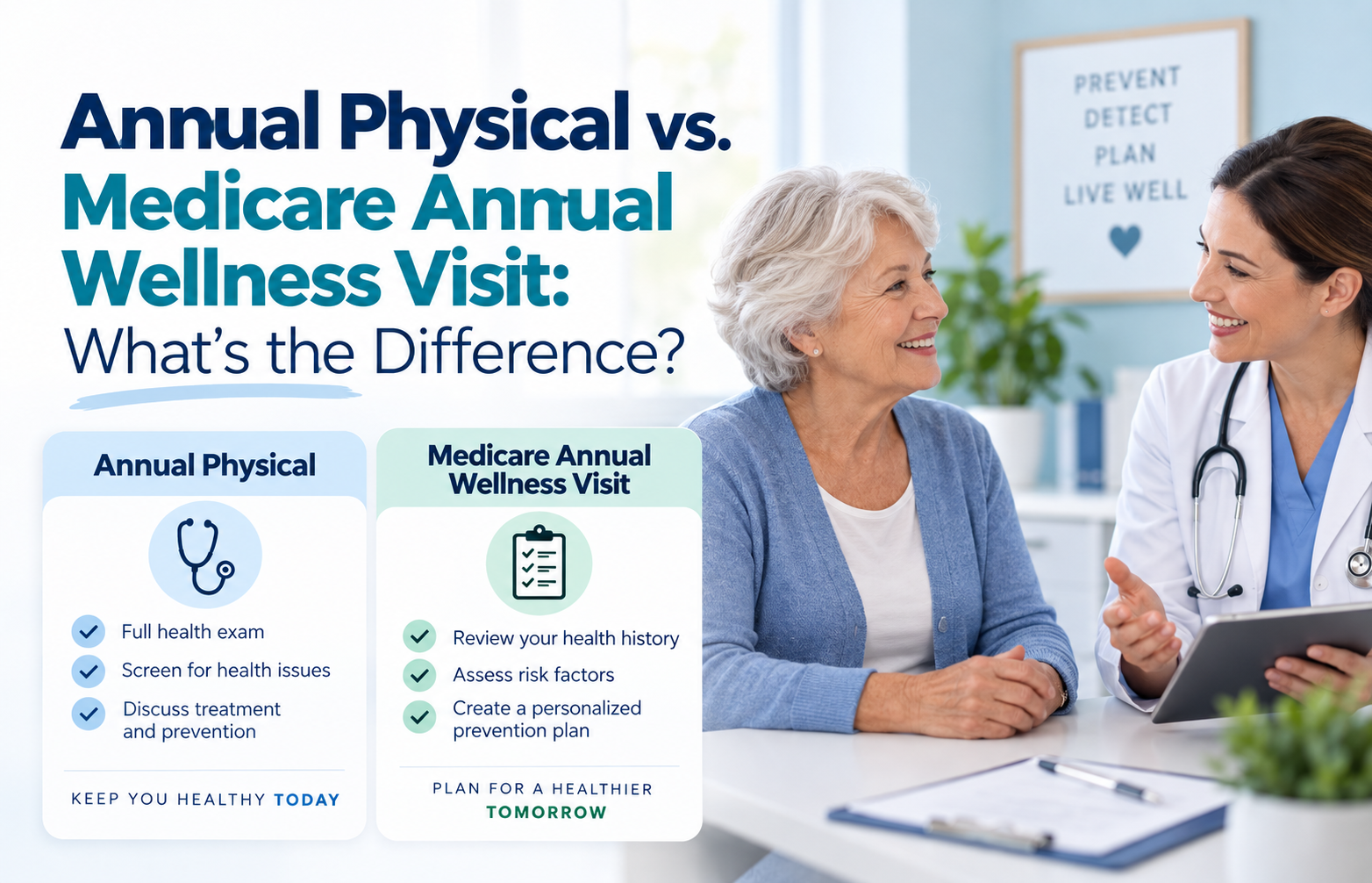 iasiscare
What Does a Primary Care Doctor Do? A Complete Guide for Adults
iasiscare
What Does a Primary Care Doctor Do? A Complete Guide for Adults
 iasiscare
Primary Care Doctor vs. Specialist: Who Should You See First?
iasiscare
Primary Care Doctor vs. Specialist: Who Should You See First?
 iasiscare
What to Expect at Your First Primary Care Appointment
iasiscare
What to Expect at Your First Primary Care Appointment