iasiscare
Why Is It So Hard to Get a Primary Care Appointment?
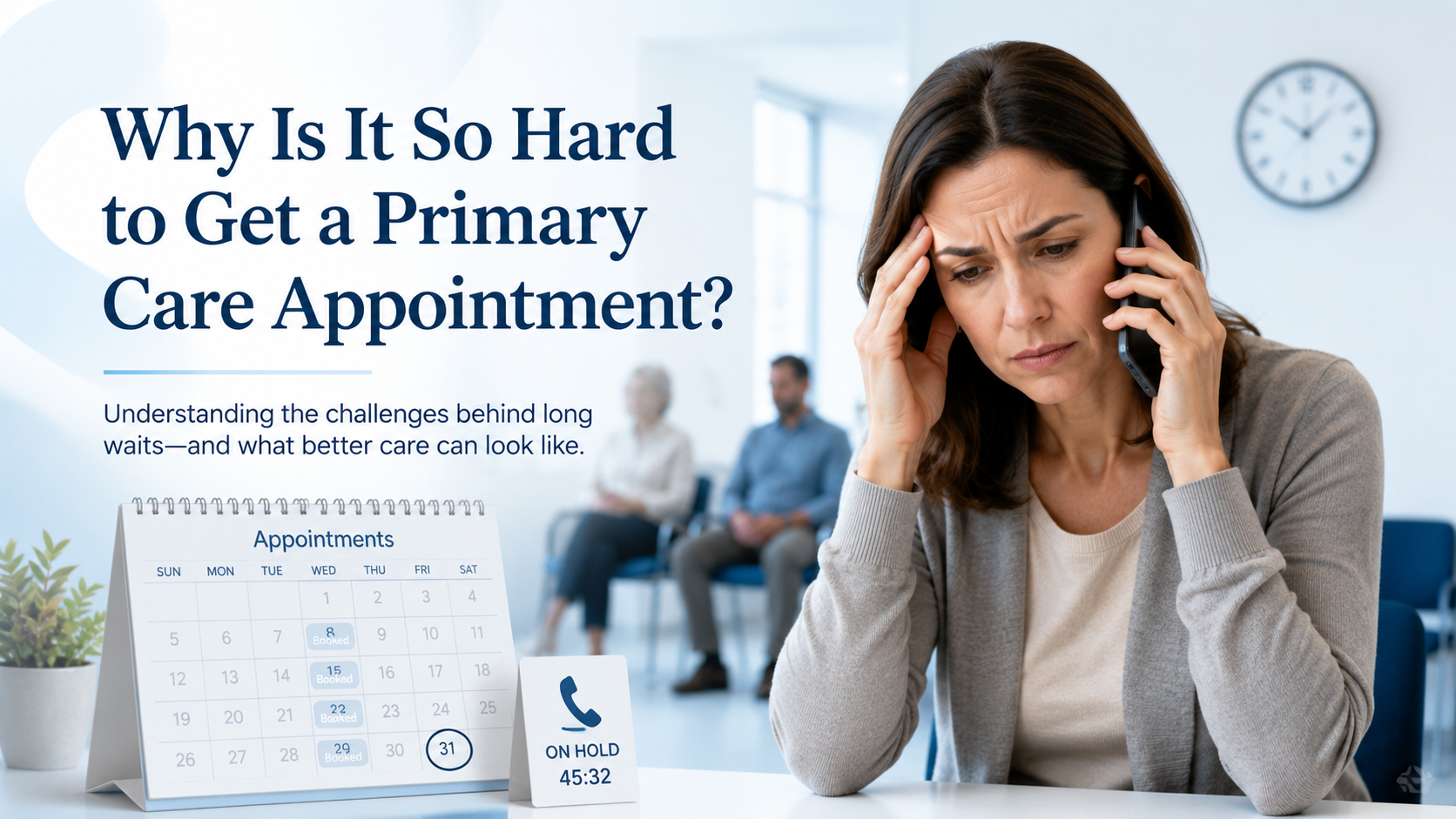
Struggling to Book a Primary Care Appointment?
Trying to get a primary care appointment should not feel like a project. But for many patients, it does. You call the office, explain what is going on, and the first available appointment is two, three, or even six weeks away.
For a routine annual physical, that may be frustrating but manageable. For a new symptom, a medication concern, abnormal lab results, blood pressure issues, or something that simply feels “off,” waiting that long can feel unacceptable.
This is one of the biggest reasons patients begin looking for a different kind of primary care relationship. They do not necessarily want complicated healthcare. They want access to a doctor who knows them, has time for them, and can help them understand what to do next.
Why Primary Care Appointments Are So Hard to Get
There is not one single reason primary care access has become difficult. It is usually a combination of several problems happening at once.
1. Most primary care doctors are managing too many patients
In a traditional primary care office, one physician may be responsible for a very large patient panel. That means the schedule fills quickly with annual physicals, follow-ups, sick visits, medication checks, lab reviews, hospital follow-ups, and urgent concerns.
When too many patients are trying to access the same limited appointment slots, delays become normal. Even patients who have been loyal to the same practice for years can still struggle to get in when they need care.
2. Appointment slots are often too short
Many traditional primary care visits are scheduled in short time blocks. That may work for a simple medication refill, but it often does not work well for real-life health concerns.
Patients may need time to talk through:
- New symptoms
- Medication side effects
- Blood pressure or blood sugar changes
- Lab results they do not understand
- Specialist recommendations
- Family history concerns
- Preventive screenings
- Multiple issues happening at once
When appointments are too short, doctors have to move quickly. Patients may leave feeling like they did not get enough explanation, even if the doctor was trying their best.
3. Many offices are built around volume
Traditional primary care is often structured around seeing a high number of patients each day. That creates pressure on the entire office: doctors, nurses, front desk staff, and medical assistants.
The result is an experience that can feel rushed and reactive. Patients may get care, but they may not get the kind of time, follow-up, and personal attention they expected from a primary care relationship.
4. Patients are using primary care for more complex needs
Primary care today is not just about treating a cold or getting an annual checkup. Many adults are managing several health concerns at once.
A patient may need help with high blood pressure, cholesterol, weight changes, fatigue, sleep, diabetes risk, thyroid concerns, anxiety, medication questions, and specialist referrals. That kind of care requires time and continuity.
When the health concerns become more complex but the appointment system stays rushed, patients feel the gap.
5. Follow-up can be hard to get
Sometimes the issue is not only getting the first appointment. It is what happens after.
A patient may complete labs, start a new medication, see a specialist, or have a test done, but then struggle to get a clear follow-up conversation. Portal messages can feel slow or impersonal. Phone calls may go through several people before reaching the doctor. Another appointment may not be available soon.
That can leave patients feeling like they are responsible for connecting the dots themselves.
What Patients Usually Do When They Cannot Get an Appointment
When patients cannot get into primary care, they often look for another option. Sometimes that option makes sense. Other times, it creates more confusion.
They go to urgent care
Urgent care can be helpful for certain immediate issues, but it is not the same as having a primary care doctor who knows your history. The urgent care provider may not know your medications, previous labs, risk factors, or long-term health goals.
For one-time problems, urgent care can be useful. For ongoing health concerns, it often does not replace primary care.
They wait and hope it improves
Some patients simply wait because they do not want to overreact. But waiting can be stressful, especially when symptoms are new or unclear.
A good primary care relationship should help patients know what needs attention now, what can be monitored, and what should not be ignored.
They send portal messages
Patient portals can be convenient, but they are not always enough. Some questions need a real conversation. Lab results, medication changes, blood pressure concerns, and new symptoms often deserve more context than a short message can provide.
They start searching for a new doctor
When the frustration happens repeatedly, many patients begin looking for a different model of care. This is where concierge medicine becomes worth considering.
How Concierge Medicine Changes Access
Concierge medicine is designed to solve one of the biggest problems in traditional primary care: access.
Instead of trying to fit thousands of patients into a crowded schedule, a concierge model creates a more personal doctor-patient relationship. Patients pay a membership fee for better access, longer visits, direct communication, and more time with their physician.
At IASIS Boutique Health, individual membership is $209/month or $2,500 annually. The membership includes unlimited office visits, annual comprehensive labs, unlimited telehealth when appropriate, EKG testing, point-of-care testing, direct access to Dr. Georgios Karanastasis, and no copays for included services.
What Better Primary Care Access Can Look Like
Better access does not only mean getting an appointment faster. It changes the entire experience of using primary care.
You can be seen sooner
Same-day and next-day appointments are typically available for members at IASIS Boutique Health. That means patients do not have to wait weeks for a concern that should be addressed sooner.
For a new symptom, medication question, blood pressure concern, or follow-up need, faster access can make care feel calmer and more practical.
You have more time during the visit
Longer visits allow patients to explain what is happening without feeling rushed. They also give the doctor time to ask better questions, review history, look at labs, discuss medications, and explain next steps clearly.
This matters because many health concerns are not simple. They require conversation.
You see the same physician
Continuity is one of the most important parts of primary care. When the same physician knows your history, your medications, your lab trends, and your concerns, care becomes more personal and more useful.
At IASIS Boutique Health, patients work directly with Dr. Georgios Karanastasis, a board-certified internal medicine physician.
You can use telehealth when appropriate
Not every visit requires an in-office appointment. Telehealth can be helpful for lab reviews, medication questions, follow-ups, and care-plan conversations when a physical exam is not necessary.
For many patients, that makes it easier to stay connected throughout the year instead of delaying care because scheduling feels inconvenient.
You get clearer follow-up
Primary care should not end when the appointment ends. Patients often need help understanding what labs mean, whether a medication is working, when to follow up, or what to watch for next.
Concierge medicine gives more room for that follow-through.
When Waiting Weeks for Primary Care Is a Problem
Some appointments can wait. Others should not be delayed for weeks without guidance.
You may need more timely medical attention if you are dealing with:
- New or worsening symptoms
- High blood pressure readings
- Blood sugar concerns
- Medication side effects
- Abnormal lab results
- Ongoing fatigue or unexplained changes
- Chest discomfort, shortness of breath, or severe symptoms
- Follow-up after an ER or urgent care visit
Severe symptoms should always be handled urgently through emergency care. But for non-emergency concerns that still deserve timely attention, having better primary care access can make a major difference.
Is Concierge Medicine Worth It If You Struggle to Get Appointments?
For many patients, yes. If you rarely need a doctor and feel satisfied with your current access, concierge medicine may not feel necessary.
But if you regularly feel rushed, delayed, confused, or disconnected from your doctor, the value becomes easier to understand.
Concierge medicine may be worth it if you want:
- Same-day or next-day appointment access
- Longer visits
- A doctor who knows your history
- Direct physician access
- Annual labs included
- Telehealth when appropriate
- More help with prevention and chronic conditions
- No copays for included services
You can also read more about this in our guide: Is Concierge Medicine Worth It?
A Better Way to Access Primary Care Near Chicago
If you are tired of waiting weeks for primary care, you are not alone. Many patients are not looking for special treatment. They simply want a doctor who is available, attentive, and able to spend enough time with them to provide clear care.
At IASIS Boutique Health, Dr. Georgios Karanastasis offers concierge primary care for patients who want a more personal relationship with their physician. Membership includes unlimited office visits, annual labs, unlimited telehealth when appropriate, EKG testing, point-of-care testing, same-day and next-day availability for members, direct doctor access, and no copays for included services.
If you are ready for primary care that feels easier to use, you can book an appointment with IASIS Boutique Health.
Related posts
iasiscare Doctor Visits Feel Rushed? Get More Time With Your Physician iasiscare
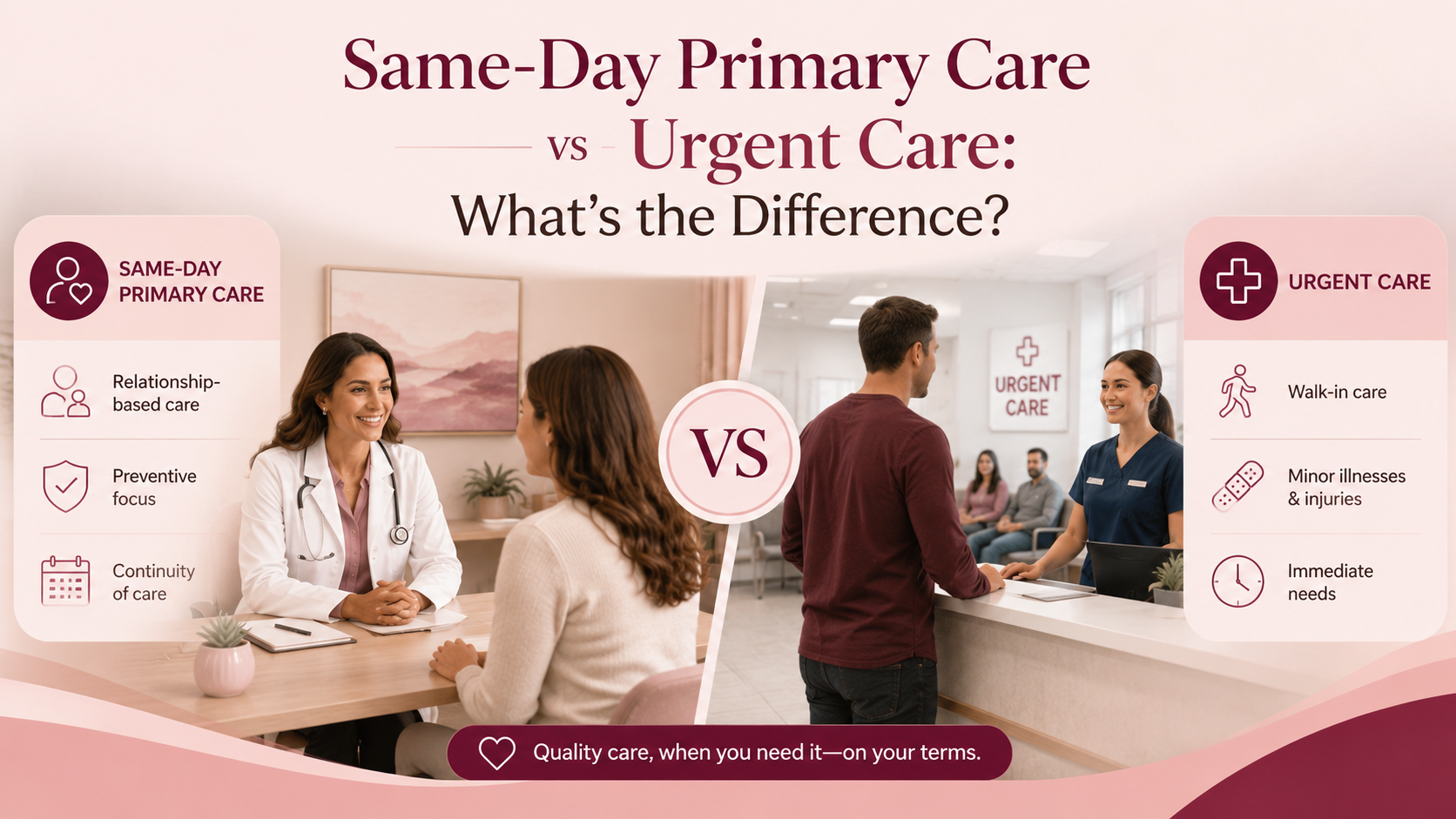
Same-Day Primary Care vs Urgent Care: What’s the Difference?
iasiscare
Same-Day Primary Care vs Urgent Care: What’s the Difference?
 iasiscare
What to Do When Your Doctor Won’t Listen | 7 Steps
iasiscare
What to Do When Your Doctor Won’t Listen | 7 Steps
 iasiscare
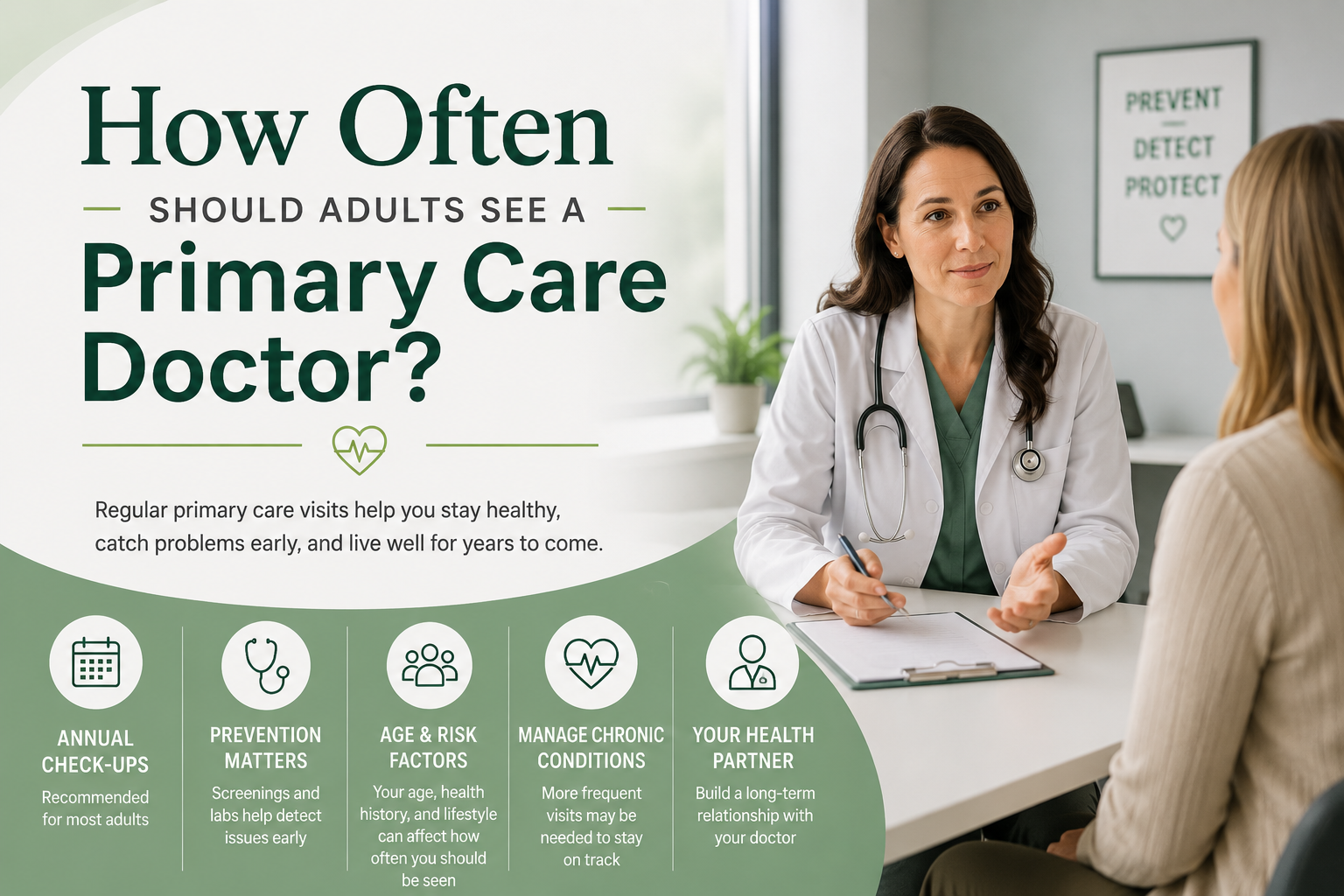
How Often Should Adults See a Primary Care Doctor?
iasiscare
How Often Should Adults See a Primary Care Doctor?
 iasiscare
Preventive Care After 40 | 7 Health Checks That Matter
iasiscare
Preventive Care After 40 | 7 Health Checks That Matter